How to Clean, Dry and Store Custom Duffel Bags So They Last for Seasons
Clean custom duffel bags by hand with mild soap and a soft brush, dry them fully with every zip and pocket open, and store them empty, loose and out of sunlight. Customized Duffel Bags builds barrel, weekender, cargo, wheeled and welded roll-top duffels that each need slightly different care, and the right routine keeps the bag and the logo looking new for seasons.
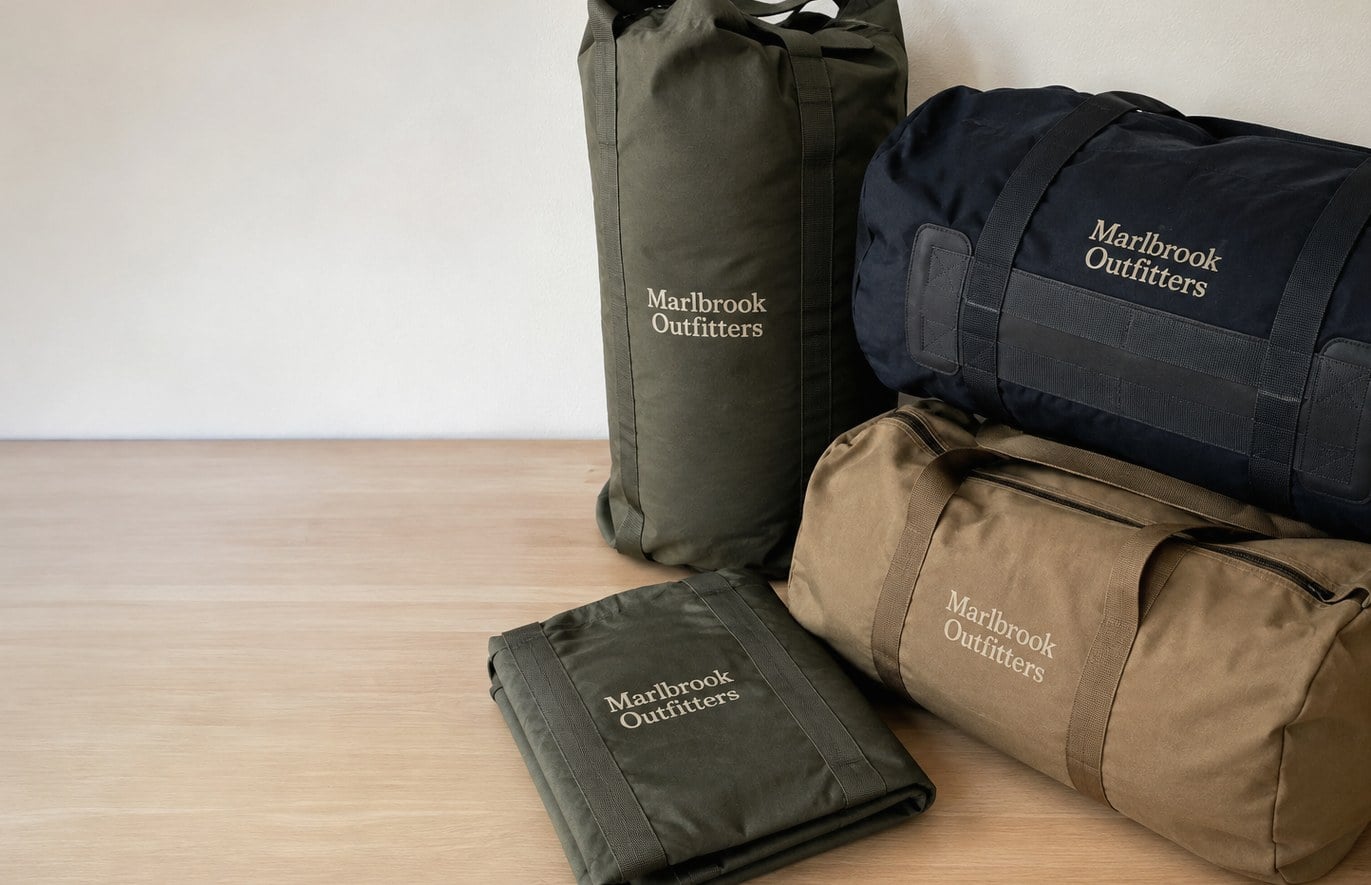
- Hand-clean duffel bags with mild soap and a soft brush; spot-clean logos gently.
- Dry every duffel fully, open and unzipped, before storage.
- Wheeled duffels need the wheel housing and tow handle cleared of grit.
- Welded roll-top duffels are rinsed and wiped, never machine-washed.
- Team duffels store best named, empty and counted per squad.
What is the right way to clean a custom duffel bag?
The right way to clean a custom duffel bag is by hand: empty it completely, shake out the grit, brush the inside and the base with a soft brush, then wipe the panels with a cloth and mild soapy water and rinse with a clean damp cloth. Always read the care label first, because the fabric and the decoration decide what the bag can tolerate.
Hand cleaning protects the parts of a duffel that actually matter. A washing machine twists the body fabric around the handle webbing, grinds the zip against the drum and flexes embroidery and print far more than a season of use. A brush and a cloth reach the same dirt without loading any of those parts.
- Empty every compartment and end pocket, and remove the detachable shoulder strap.
- Turn the bag upside down and shake or vacuum out sand, grass and crumbs.
- Brush the base and seams, where dirt grinds into the fabric.
- Wipe the panels with mild soapy water, working around the logo rather than scrubbing over it.
- Rinse with a clean damp cloth so no soap residue is left to attract dirt.
For a quick weekly reset, step two alone does most of the work. Grit left in the bottom of a duffel acts like sandpaper every time the bag is put down.
How should you dry a duffel bag so it does not smell or mildew?
Dry a duffel bag open, unzipped and empty, in a well-ventilated spot out of direct sun, and leave it until the inside, the seams and the base are completely dry before it goes back into storage. A duffel that is packed away slightly damp is the most common reason a bag smells or spots with mildew the next time it is opened.
Drying matters more on a duffel than on most bags because the shape traps moisture. A barrel duffel is a closed cylinder, a cargo duffel has a heavier coated base that dries slowly, and a weekender has end pockets that hold damp in a corner. Open every zip, pull pockets inside out where you can, and stand the bag on its end so air moves through it.
- Never put a duffel bag in a tumble dryer or on a radiator; heat can distort coatings, print and welded seams.
- Hang the bag by its grab handles, not by the shoulder strap clip.
- Dry wet kit separately; a bag cannot dry with damp towels inside it.
- On a team trip, unzip every bag on the bus home rather than the next morning.
Does each duffel bag style need different care?
Yes, each duffel style has one part that deserves extra attention. The general routine is the same, but a wheeled duffel, a reinforced-base cargo duffel and a welded roll-top duffel each wear in a different place, so the care that keeps them working is aimed at that place. The table below summarizes the styles Customized Duffel Bags makes.
| Style | Where it wears | Care focus |
|---|---|---|
| Barrel duffel | Handles and the base where the webbing wraps under | Brush the base, check the webbing sling and stitching |
| Weekender duffel | Trolley sleeve, end pocket and padded strap | Wipe the sleeve, empty the end pocket, dry the strap padding |
| Reinforced-base cargo duffel | The heavier coated base panel | Rinse grit and mud off the base, dry it upside down |
| Wheeled duffel | Wheel housing and tow handle | Clear grit and hair from the wheels, wipe the handle track |
| Welded roll-top duffel | Roll-top closure and clips | Rinse salt and sand, dry the fold, store unrolled |
| Kit and team duffel | Base and name panel | Brush the base, spot-clean names, count bags after each trip |
If your group owns several styles, a short care note packed in each bag at hand-out saves most of the problems before they start.
How do you keep an embroidered or printed logo looking new?
Keep a duffel bag logo looking new by spot-cleaning it gently with a damp cloth, never scrubbing across it with a stiff brush, and keeping the bag out of strong heat and long direct sun. Embroidery, print and woven labels each age differently, so the cleaning method should follow the decoration on your bag.
- Embroidery: dab stains with a damp cloth and mild soap, then press dry with a towel. Avoid brushing, which lifts and frays the thread surface.
- Print: wipe in one direction with a soft cloth. Never use solvent cleaners, which can soften the ink, and never iron or apply heat to a printed panel.
- Woven label: the most forgiving finish; a damp cloth is enough, and the label survives normal brushing around it.
- Welded or printed marks on roll-tops: rinse and wipe only. The mark sits on the tarpaulin laminate and should not be scrubbed with abrasive pads.
Names and numbers on team duffels follow the same rules. If a group expects heavy wear, the decoration choice at the mockup stage matters as much as care afterwards. Customized Duffel Bags can recommend embroidery, print or a woven label for your use when you request a free mockup.
How should a team or company store duffel bags between seasons?
Store duffel bags between seasons clean, fully dry, empty and loosely folded or stood upright in a cool, dry room away from sunlight, with nothing heavy stacked on top. For a team or company inventory, count the bags, note who had which numbered or named bag, and keep spares in the same conditions so they match the rest when they are issued.
Storage is where many group-owned duffels quietly fail. A bag crushed flat under boxes for months creases its coating along the fold lines, a sealed plastic tub traps any remaining damp, and a damp storage room breeds mildew in exactly the seams you cannot see.
- Clean and dry every bag at the end of the season, not at the start of the next one.
- Leave zips slightly open so air can move through the bag.
- Stand wheeled duffels upright on their wheels rather than stacking them.
- Store welded roll-top duffels unrolled, so the closure does not set in one fold.
- Label shelves or bins by squad, cabin or department so the count is easy next season.
Kit and team duffels from Customized Duffel Bags are numbered or named on the panel, which makes this count simple. Named bags come back; identical unnamed bags end up in one pile.
When is a duffel bag past repair, and when should you reorder?
A duffel bag is past practical repair when the base fabric has worn through, the handle anchors are tearing out of the body, a wheel housing has cracked away from its plate, or a welded seam on a roll-top has opened. A stuck zip pull, a lost strap or light fraying can usually be fixed; structural damage to the base or load path usually cannot.
Check the bags at the end of each season so you replace the few that need it, rather than discovering the problem at the next hand-out. A quick inspection takes a minute per bag:
- Look at the base and confirm the handle webbing still runs continuously across it.
- Lift the bag by both grab handles and look for fabric pulling away at the stitch lines.
- Run the main zip end to end and check for missing teeth.
- On wheeled duffels, roll the bag and listen for grinding or wobble.
When you do reorder, ask for the same spec as the original run. Customized Duffel Bags holds your spec so a replacement matches what the rest of the group is carrying, returns a free mockup within 24 hours, and standard production runs about 2 weeks after approval, with faster turnaround available with express shipping.
Frequently asked questions
Can I put a custom duffel bag in the washing machine?
A custom duffel bag should be cleaned by hand rather than in a washing machine, unless the care label says otherwise. The drum twists the body fabric around the handle webbing, grinds the zip and flexes the logo far more than normal use. Brush out the grit, wipe the panels with mild soapy water and rinse with a damp cloth for the same result with no risk.
What soap is safe for cleaning a branded duffel bag?
A branded duffel bag is safest with a mild, gentle soap diluted in water, such as a little dish soap or a gentle hand-wash detergent. Avoid bleach, solvent cleaners and stain removers, which can fade fabric, soften printed ink and weaken coatings. Test any cleaner on a hidden spot inside the bag first, and always rinse the soap off with a clean damp cloth.
How do I get mud and sand out of the base of a cargo duffel?
A reinforced-base cargo duffel is easiest to clean once the mud has dried: brush it off the heavier coated base, then rinse the remaining grit away with a damp cloth or a gentle stream of water. Dry the bag upside down so water drains off the base. Customized Duffel Bags lifts the base seam up the side, so the stitching stays clear of most of the mud.
Why does my duffel bag smell after a trip?
A duffel bag usually smells after a trip because damp kit or towels sat inside it with the zip closed, and moisture stayed in the seams and base. Empty the bag the same day, wipe the inside with mild soapy water, and dry it open in a ventilated room until fully dry. Packing wet items in a separate bag inside the duffel prevents most odors.
How should I clean the wheels on a wheeled duffel bag?
The wheels on a wheeled duffel bag should be cleared of grit, hair and string with a soft brush, then wiped with a damp cloth and left to dry. Check that each wheel spins freely and that the housing feels firm on its reinforced plate. Wipe the tow handle track too, because sand in the track makes the handle stick when it is extended.
Can a welded roll-top waterproof duffel be rinsed with a hose?
A welded roll-top waterproof duffel can be rinsed with fresh water, which is the best way to remove salt and sand after a boat or beach trip. Use a gentle flow rather than a pressure washer, wipe the panels and clips, and dry the bag open with the roll-top unrolled. Customized Duffel Bags builds these with welded seams, so there are no stitch holes for rinse water to soak into.
Should duffel bags be stored folded flat or upright?
Duffel bags store best loosely folded or stood upright, empty and with nothing heavy stacked on top. Folding a bag tightly and crushing it under boxes for months creases the fabric coating along the folds. Wheeled duffels should stand on their wheels, and welded roll-top duffels should be stored unrolled so the closure does not set in one fold.
How can a team track which player had which duffel bag at season end?
Team duffel bags are easiest to track when each bag carries a number or name on the panel and a coach keeps a simple list of who received which bag. At season end, check bags in against that list before storage. Customized Duffel Bags numbers or names kit and team duffels at no extra cost, which makes the end-of-season count quick.
Will cleaning wear down the embroidery on a duffel bag logo?
Embroidery on a duffel bag logo holds up well to cleaning as long as you dab it with a damp cloth and mild soap rather than scrubbing it with a stiff brush. Scrubbing lifts and frays the top of the thread, which makes a logo look tired. Press the embroidery dry with a towel and let the rest of the bag air-dry naturally.
Can a torn duffel bag handle be repaired?
A torn duffel bag handle can sometimes be restitched by a bag or luggage repair shop if the webbing and body fabric are intact. When the fabric itself has torn around the stitch line, the repair rarely lasts, and replacing the bag is the better choice. Customized Duffel Bags runs the webbing continuously under the base to keep that tear from happening.
How often should a club inspect its custom duffel bags?
A club should inspect its custom duffel bags at least at the end of every season, before the bags go into storage, and again before they are issued. Check the base, the handle anchors, the main zip and any wheels. Catching a few worn bags early lets you reorder matching replacements in time, with a free mockup from Customized Duffel Bags within 24 hours.
Get a free mockup for your duffel bags
Send your logo or idea and the quantity you have in mind. Customized Duffel Bags returns a free mockup within 24 hours, you approve the design before anything is produced, and standard turnaround is about two weeks with faster options available. Get a custom quote.